

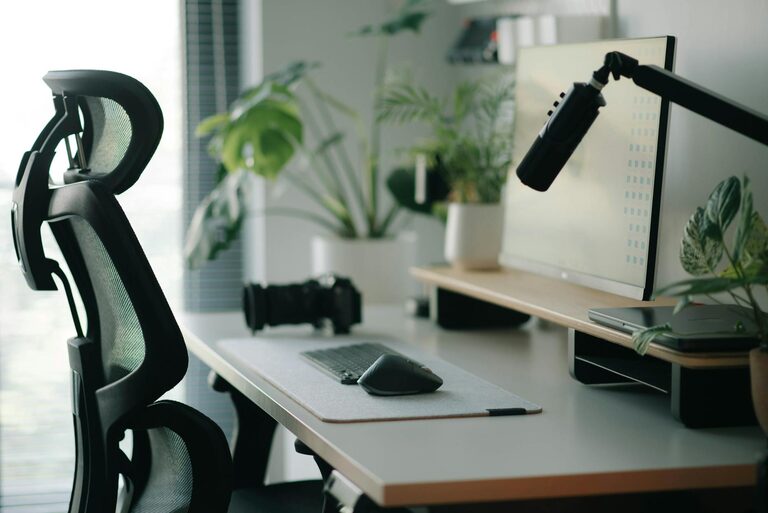
Creating a home office space that is both comfortable and productive can significantly improve your work-from-home experience. Whether you’re new to remote work or looking to enhance your current setup, thoughtful design and organization can make a big difference. In this post, we’ll explore key tips to help you build a home office where you can focus, feel comfortable, and maintain a healthy work-life balance.
Choose the Right Location
Selecting the right spot for your home office is the first step toward productivity.
– Find a Quiet Area: Look for a space with minimal distractions. If possible, choose a room with a door you can close to reduce noise.
– Good Lighting: Natural light is ideal for boosting mood and focus. Position your desk near a window, but avoid glare on your screen.
– Accessible Yet Separate: The office should be accessible enough for daily use but set apart to create a clear boundary between work and home life.
Invest in Ergonomic Furniture
Comfort plays a big role in promoting productivity and preventing strain or injury.
– Ergonomic Chair: Choose a chair that supports your lower back and allows your feet to rest flat on the floor.
– Adjustable Desk: Consider a desk that suits your height or a sit-stand desk to vary your posture.
– Proper Monitor Placement: Place your monitor at eye level, about an arm’s length away, to reduce neck and eye strain.
Organize Your Workspace
A clutter-free environment helps maintain focus and efficiency.
– Use Storage Solutions: Shelves, drawers, and filing cabinets keep your supplies organized and within reach.
– Cable Management: Use cable clips or sleeves to keep cords tidy and avoid tripping hazards.
– Desk Layout: Position your most-used items close by and keep your desk surface clear for writing and computer work.
Incorporate Personal Touches
Making your workspace inviting can improve your mood and motivation.
– Add Plants: Indoor plants improve air quality and add a calming natural element.
– Decorate Thoughtfully: Use artwork, photos, or inspiring quotes that positively influence your mindset.
– Comfort Items: A soft throw or cushion can make long work hours more pleasant.
Set Boundaries and Maintain Routine
Creating a productive home office is about more than physical space; it’s also about habits.
– Designate Work Hours: Set clear start and end times to maintain balance and avoid burnout.
– Minimize Distractions: Turn off non-work notifications and use apps or tools that help you focus.
– Take Breaks: Schedule short breaks to stretch, rest your eyes, and recharge throughout the day.
Optimize Technology and Tools
Having the right tools can streamline your workflow.
– Reliable Internet: Ensure you have a strong connection to avoid interruptions during calls or downloads.
– Quality Equipment: Invest in a good keyboard, mouse, and headset to enhance comfort and communication.
– Backup Power: Consider a surge protector or uninterruptible power supply (UPS) to protect your devices.
Pay Attention to Air Quality and Temperature
Your physical comfort affects concentration and energy levels.
– Ventilation: Keep your space well-ventilated for fresh air and to reduce stuffiness.
– Temperature Control: Use fans, heaters, or air conditioning to maintain a comfortable temperature year-round.
– Humidity: A small humidifier can help if your home tends to be dry, especially in winter.
Keep it Flexible
Your work needs may change over time, so a flexible office setup can adapt with you.
– Modular Furniture: Choose furniture that can be rearranged easily.
– Multi-Use Spaces: Incorporate storage or seating that serves multiple purposes.
– Adjustable Lighting: Use lamps with dimmers or adjustable brightness to suit different tasks and times of day.
Final Thoughts
Creating a home office that supports comfort and productivity is achievable with intentional choices. By focusing on location, ergonomics, organization, and personal well-being, you can design a workspace that not only helps you perform your best but also enhances your overall work-from-home experience. Start with small changes and adjust as you go to find what works best for you. Remember, a great home office is a space you enjoy spending time in!