

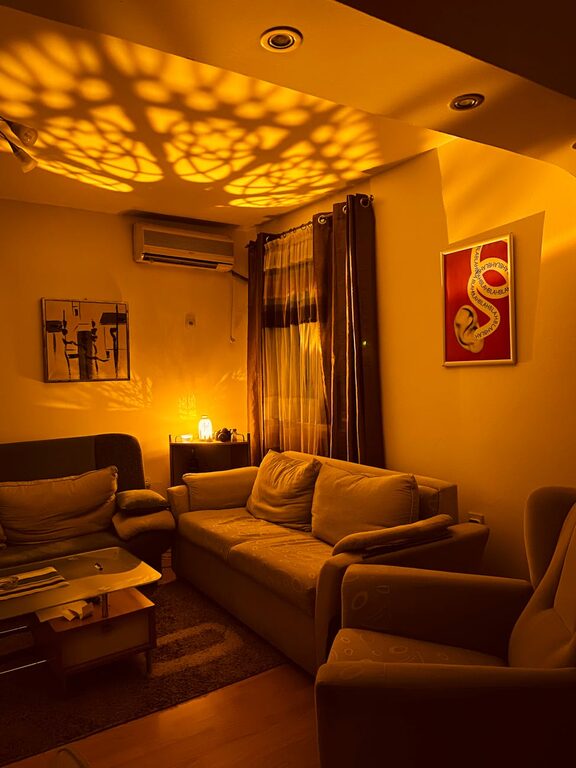
Creating a cozy and inviting living space at home is something many people strive for. A warm and comfortable environment not only makes your home more enjoyable but also encourages relaxation and quality time with loved ones. Whether you have a small apartment or a large house, a few thoughtful touches can make all the difference. This guide will walk you through practical tips to help you design a living area that feels both cozy and welcoming.
Start with Comfortable Seating
The foundation of a cozy living room is comfortable seating. This doesn’t mean you need an expensive sofa, but rather one that invites you to sit back and relax.
– Choose soft, supportive cushions: Look for sofas or chairs with plush cushions that offer good support.
– Add throw pillows: Use pillows in different sizes and textures to add comfort and visual interest.
– Consider additional seating: Add an ottoman, pouf, or a cozy reading chair to create more seating options.
Layer Your Lighting
Lighting plays a crucial role in setting the mood of your living space. Layers of light help create a warm, inviting atmosphere.
– Use various light sources: Combine overhead lights, floor lamps, table lamps, and candles.
– Opt for warm bulbs: Choose bulbs with a warm color temperature (2700K-3000K) for a soft glow.
– Include dimmers: Adjustable lighting lets you change the ambiance depending on the time of day or activity.
Incorporate Soft Textures
Textures add depth and comfort to any room. Mixing different fabrics and materials helps your space feel lived-in and welcoming.
– Use cozy blankets and throws: Drape them over your couch or chairs for added warmth.
– Add rugs: Area rugs provide softness underfoot and can ground the seating area.
– Mix materials: Try combining velvet, wool, linen, and knit fabrics for variety.
Choose a Soothing Color Palette
The colors in your living space greatly impact how cozy and inviting it feels. Soft and neutral tones often help create a relaxing environment.
– Opt for warm neutrals: Shades like beige, taupe, and soft gray are great base colors.
– Add accent colors: Incorporate muted blues, greens, or blush tones for subtle pops of color.
– Avoid overly bright hues: Extremely bright or bold colors can make the space feel less calming.
Personalize with Meaningful Decor
Displaying items that have personal significance adds character and warmth to your home.
– Showcase photos and artwork: Use frames and display shelves to highlight your favorite memories or art pieces.
– Include plants: Greenery brings life to any space and improves air quality.
– Add unique accents: Use books, souvenirs, or handmade crafts that tell a story about you.
Declutter and Organize
A neat and organized space is always more inviting. Clutter can create stress and make it hard to relax.
– Use storage smartly: Incorporate baskets, shelves, and furniture with hidden storage.
– Keep surfaces clear: Limit how many items you display on tables and shelves.
– Regularly tidy up: Making a habit of putting things away keeps your living area feeling fresh.
Add Functional Elements for Relaxation
Your living space should encourage you to unwind. Small additions can make it easier to relax after a busy day.
– Include a side table for drinks and books: Having a nook to set down your coffee or favorite read enhances comfort.
– Use aromatic elements: Scented candles, diffusers, or fresh flowers can create a soothing atmosphere.
– Incorporate a cozy nook: A window seat, reading corner, or even a comfortable floor cushion makes your space inviting.
Maximize Natural Light
Natural light lifts the mood and brightens your living space, making it feel more open and cheerful.
– Keep window treatments light: Use sheer curtains or blinds that let in sunlight while maintaining privacy.
– Place mirrors strategically: Mirrors help reflect natural light and create the illusion of a bigger space.
– Arrange furniture accordingly: Position seating near windows to take advantage of daylight.
Consider Seasonal Touches
Updating your living space with seasonal elements keeps the environment fresh and cozy throughout the year.
– Switch textiles seasonally: Use heavier blankets and rugs in winter; lighter fabrics and colors in summer.
– Add seasonal decor: Incorporate natural elements like pine cones or flowers depending on the season.
– Adjust lighting: Use fairy lights or candles more during darker months to enhance warmth.
—
Final Thoughts
Creating a cozy and inviting living space is about combining comfort, style, and personal touches to make your home a sanctuary. By focusing on seating, lighting, textures, colors, and organization, you can build a space that welcomes both you and your guests. Remember, your ideal cozy home reflects your personality and what makes you feel relaxed and happy. Start small, experiment, and most importantly, enjoy the process of making your living space truly yours.